The silent virus that affects millions—and why waiting is the riskiest thing you can do
Introduction: The Virus That Whispers
Most health problems announce themselves.
A fever tells you something is wrong. A cough persists until you pay attention. Pain demands to be felt. These are your body's alarm systems—uncomfortable but useful, forcing you to act.
HPV is different.
It doesn't announce itself. It doesn't demand attention. It can live inside your body for years, sometimes decades, without a single symptom. No fever. No pain. No warning.
And that silence is exactly what makes it so dangerous.
When something is invisible, it's easy to ignore. When a doctor says "most people clear it," it's easy to wait. When there's no pill to take and no immediate threat, it's easy to put it out of your mind and get on with your life.
But here's the truth: HPV is too dangerous to ignore.
This isn't scare tactics. This is reality. And understanding that reality is the first step toward taking it seriously—not with panic, but with purpose.
Part One: The Scale of the Problem
How Common Is HPV?
Let's start with the numbers, because they matter.
-
80% of sexually active people will get HPV at some point in their lives.
-
14 million new HPV infections occur in the United States every year.
-
1 in 4 people in the United States currently has an active HPV infection.
-
Over 200 different HPV strains exist, with about 40 affecting the genital area.
These aren't rare, fringe statistics. This is the majority of sexually active adults. If you've been sexually active, the likelihood that you've encountered HPV is not a possibility—it's a probability.
The Two Categories: Low-Risk and High-Risk
Not all HPV is created equal. Understanding the difference is critical.
Low-risk HPV (types 6, 11, and others):
-
Causes genital warts
-
Does not cause cancer
-
Visible, uncomfortable, emotionally distressing
-
But medically, not life-threatening
High-risk HPV (types 16, 18, 31, 33, 45, 52, 58, and others):
-
Causes no visible symptoms
-
Can persist silently for years
-
Causes 99.7% of cervical cancers
-
Also causes anal, penile, vaginal, vulvar, and oropharyngeal (throat) cancers
Here's what makes high-risk HPV so insidious: you cannot see it. You cannot feel it. You may have no idea it's there until it has already caused cellular changes that can lead to cancer.
Part Two: What HPV Actually Does to Your Body
The Cellular Invasion
To understand why HPV is dangerous, you need to understand what it does at a microscopic level.
HPV infects epithelial cells—the cells that line the surface of your skin, genitals, mouth, and throat. Once inside, the virus hijacks the cell's machinery and forces it to produce more virus particles.
In most cases, your immune system recognizes these infected cells and destroys them. The virus is cleared. Life goes on.
But in some cases—for reasons that aren't fully understood—the virus persists. The infected cells don't get cleared. They continue to live and divide, carrying the viral DNA with them.
Over time—often years—those persistent infected cells can accumulate additional genetic damage. They can start to grow abnormally. They can become precancerous. And eventually, they can become cancerous.
This process is slow. It happens in silence. And by the time symptoms appear, the damage is already done.
The Cancers Caused by HPV
Let's be specific about what's at stake.
Cervical Cancer:
-
HPV causes 99.7% of all cervical cancers
-
Approximately 14,000 women are diagnosed annually in the US
-
Nearly 5,000 women die annually from cervical cancer in the US
-
Globally, cervical cancer kills over 300,000 women each year
Anal Cancer:
-
HPV causes approximately 91% of anal cancers
-
About 9,000 people are diagnosed annually in the US
-
Rates are rising, particularly among men
Oropharyngeal (Throat) Cancer:
-
HPV causes approximately 70% of oropharyngeal cancers
-
About 20,000 people are diagnosed annually in the US
-
Rates have risen 300% in recent decades
-
HPV-related throat cancer now surpasses cervical cancer in some populations
Penile Cancer:
-
HPV causes approximately 63% of penile cancers
-
About 1,000 men are diagnosed annually in the US
Vaginal and Vulvar Cancers:
-
HPV causes approximately 75% of vaginal cancers
-
HPV causes approximately 69% of vulvar cancers
These are not abstract statistics. These are real people, real diagnoses, real lives interrupted or ended by a virus that could have been addressed earlier.
Part Three: The "Wait and See" Trap
Why Doctors Say "Just Wait"
If HPV is so dangerous, why don't doctors do more?
This is a fair question—and the answer matters.
For most people, HPV clears on its own. The immune system does its job. No intervention is needed. So the standard medical approach is "watchful waiting"—monitor the situation, retest in 6-12 months, and only intervene if the infection persists or cellular changes progress.
This approach makes sense from a population health perspective. It prevents overtreatment. It avoids unnecessary procedures. It trusts the body's natural ability to heal.
But here's what "watchful waiting" feels like from the patient's perspective:
-
Helplessness
-
Anxiety
-
The sense that nothing is being done
-
The fear that waiting is allowing something dangerous to grow
And here's the critical question: while you're waiting, what is the virus doing?
The Problem With Passivity
The "wait and see" approach assumes that time is neutral—that waiting doesn't change the outcome.
But time is not neutral.
While you wait, the virus continues to replicate. Infected cells continue to divide. If your immune system is going to clear the infection, it will do so regardless of whether you're actively supporting it. But if your immune system needs help, waiting does nothing to provide that help.
This is where the danger lies. Not in waiting itself, but in the assumption that waiting is the only option.
Part Four: The HPV and Cancer Connection
From Infection to Malignancy
Not every HPV infection leads to cancer. Most don't. But understanding the pathway helps explain why vigilance matters.
Step 1: Infection
You're exposed to HPV through skin-to-skin contact. The virus enters epithelial cells.
Step 2: Persistence
In most people, the immune system clears the infection within 6-24 months. But in some people, the virus persists.
Step 3: Cellular Changes
Persistent infection causes infected cells to grow abnormally. This is called dysplasia. It is not cancer, but it is precancerous.
Step 4: Progression
Over years or decades, abnormal cells can accumulate additional genetic mutations. They can become cancerous.
Step 5: Cancer
Cancerous cells can invade surrounding tissue and spread to other parts of the body.
The key insight: this process takes time. Years, often. And during that time, there are opportunities to intervene.
The Role of Regular Screening
This is why Pap smears and HPV testing save lives.
Screening detects abnormal cells long before they become cancerous. It gives you and your doctor the chance to monitor, treat, or remove those cells before they progress.
Women who get regular Paps rarely die from cervical cancer. Women who don't—or who don't have access to screening—account for the vast majority of cervical cancer deaths.
Screening works. But screening alone doesn't address the underlying virus. It detects the damage, but it doesn't help your body clear the infection.
Part Five: The Hidden Danger for Men
The Invisible Male Epidemic
HPV is often framed as a "women's issue" because of its link to cervical cancer. This is a dangerous misconception.
Men get HPV at roughly the same rate as women. They transmit it. They carry it. They develop cancer from it.
But men have no routine screening. No Pap smear equivalent. No standard way to know their status.
This means:
-
Men can carry high-risk HPV for years without knowing
-
They can transmit it to partners without knowing
-
They can develop HPV-related cancers without any warning
The cancers that affect men—anal, penile, oropharyngeal—are real, they are serious, and they are increasing. Oropharyngeal cancer rates in men have risen dramatically in recent decades, driven almost entirely by HPV.
And yet, the conversation about HPV in men remains largely absent.
Part Six: The Consequences of Ignoring HPV
What Happens When You Do Nothing
Let's be direct about the risks of inaction.
If you ignore HPV and do nothing:
-
You may clear it naturally. This happens for most people. If you're in this category, doing nothing is fine—but you won't know which category you're in until you retest.
-
You may not clear it. The infection persists. Abnormal cells develop. You don't know because you're not testing or because you're not following up.
-
You may develop precancerous changes. These can be treated, but only if they're detected. Ignoring them allows them to progress.
-
You may develop cancer. This is the worst-case outcome. It is rare relative to the number of infections, but it happens to thousands of people every year.
The tragedy is that many of those cancers were preventable. Not just through vaccination, but through regular screening and active immune support.
The Emotional Cost
Even when HPV doesn't lead to cancer, ignoring it comes with an emotional price.
-
The anxiety of not knowing
-
The fear of transmission to partners
-
The shame of a positive result
-
The isolation of carrying a secret
These emotional burdens are real. They affect relationships, self-esteem, and quality of life. And they don't disappear just because you're trying not to think about HPV.
Part Seven: Taking HPV Seriously Without Panic
The Middle Path
Acknowledging that HPV is dangerous does not mean living in fear.
The middle path looks like this:
1. Know your status.
Get tested. If you're a woman, get regular Paps and HPV tests. If you're a man, be aware of your partner's status and any symptoms.
2. Don't just wait—act.
Waiting is passive. Action is active. Support your immune system through nutrition, sleep, stress management, and targeted supplements like AHCC.
3. Get vaccinated if eligible.
The HPV vaccine is safe, effective, and approved through age 45. It prevents infection with the most dangerous strains.
4. Use protection.
Condoms reduce transmission risk. They don't eliminate it, but they help.
5. Communicate with partners.
Honesty about HPV status allows partners to make informed decisions about vaccination and protection.
6. Follow through on retesting.
Don't skip your follow-up appointments. The only way to know if you've cleared the virus is to retest.
The AHCC Connection
This is where AHCC enters the picture.
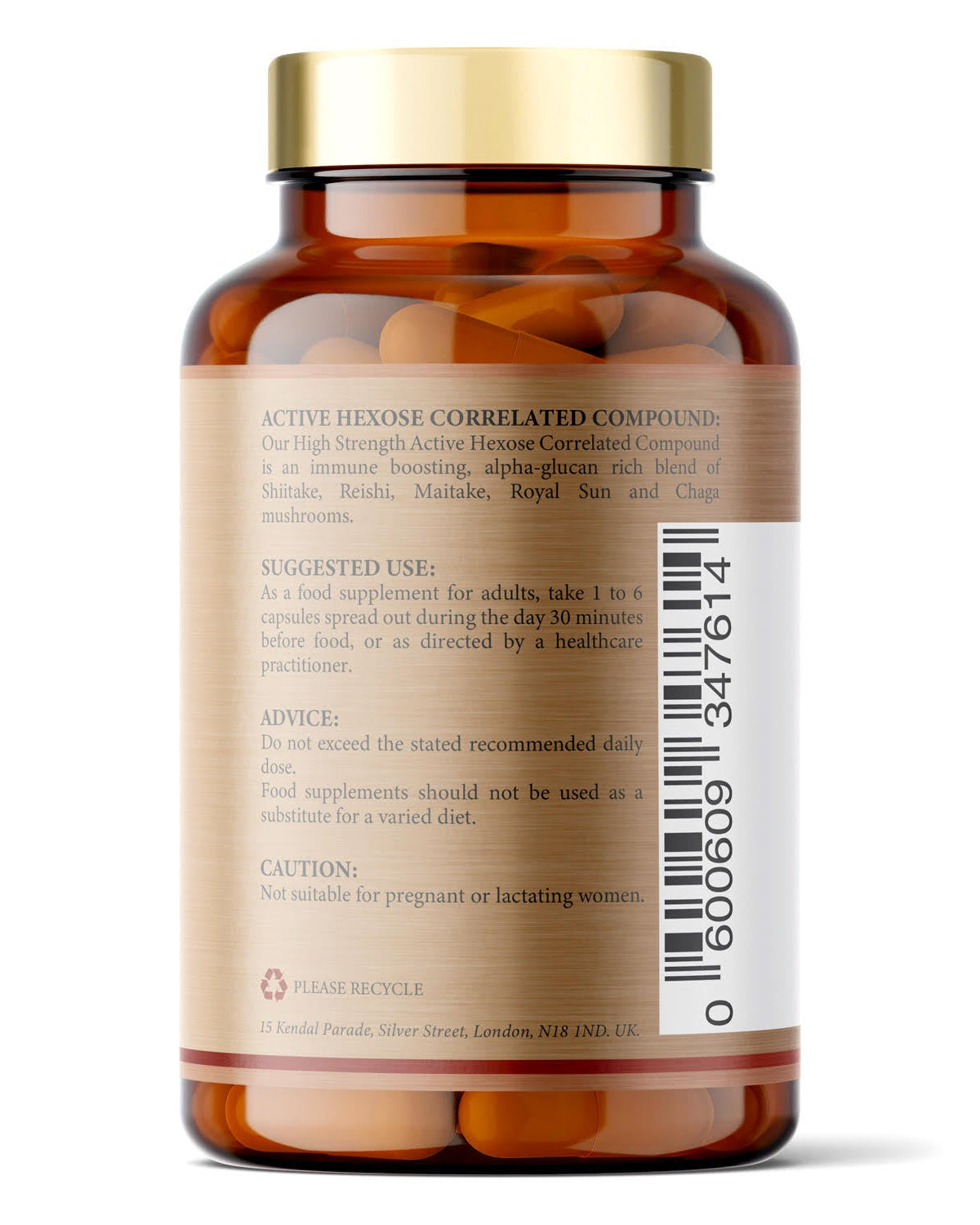
AHCC is not a cure. It doesn't guarantee clearance. But it offers something critical: a proactive way to support your immune system while you wait.
Instead of passive monitoring, you can actively support your body's ability to clear the virus. You can shift from hoping to doing. You can take control of the one variable you actually can control: your immune health.
The research shows that AHCC improves clearance rates. The mechanism is understood. The safety profile is excellent. And for thousands of people, it has been the difference between persistent infection and finally seeing a negative result.
Part Eight: A Letter to Anyone With HPV
Dear you,
If you're reading this because you've been diagnosed with HPV, I want you to hear something important:
You are not dirty. You are not broken. You are not being punished.
HPV is a biological fact of life for the majority of sexually active people. It is not a reflection of your character, your choices, or your worth.
But here's what I also want you to hear:
Don't ignore it.
Don't put the letter from your doctor in a drawer and forget about it. Don't assume it will go away on its own without any support. Don't let the months pass without a plan.
You don't need to panic. But you do need to act.
-
Schedule your follow-up appointment
-
Research your options for immune support
-
Clean up your nutrition and lifestyle
-
Consider adding AHCC to your daily routine
-
Talk to your partner
-
Show up for yourself
HPV is common. It's manageable. And for most people, it's temporary.
But it's also dangerous enough that ignoring it is a risk you don't need to take.
You have the power to take action. You have the ability to support your body. You have the opportunity to shift the odds in your favor.
Don't wait. Don't hope. Don't ignore.
Act.
Conclusion: The Choice Is Yours
HPV is too dangerous to ignore.
That doesn't mean it's a death sentence. It doesn't mean you should live in fear. It doesn't mean every infection leads to cancer.
But it does mean that passive waiting is a gamble. And it's a gamble you don't need to take.
You can choose to be proactive. You can choose to support your immune system. You can choose to get regular screening. You can choose to communicate with partners. You can choose to get vaccinated if eligible. You can choose to take AHCC.
These choices don't guarantee clearance. But they stack the odds in your favor. They replace helplessness with action. They transform "wait and see" into "support and succeed."
HPV is common. It's manageable. And with the right approach, it's temporary.
But only if you take it seriously enough to act.
Don't ignore what matters. Your health is worth the attention.